Practical support for building a sustainable routine
No spam. Unsubscribe anytime.
Tai Chi for Weight Loss
A compassionate, mind-body approach to sustainable weight management—without punishment, shame, or extremes.
If you’re tired of programs that demand extremes and leave you burned out, this gives you a gentler door
back into movement. Five minutes counts, small movements count, and seated or supported practice still
belongs. The Amazon book has the complete 28-day plan, reflective prompts, and full roadmap.
You’re in the right place — your book bonus is here.
Free Bonus Kit Access
Get the Free Weight Loss Bonus Kit
Your free Bonus Kit includes a comprehensive printable guide to help you practice safely,
support your joints and nervous system, and stay consistent as you use the book.
No spam. Helpful updates only.
Success — download access unlocked
Download your free Bonus Kit
Your guide is ready. Select the download button below, and we’ll also send a separate welcome email so you can find this again later.
Email note: If you do not see a message from Wei Harrington, please check Promotions or Spam. Moving it to your
Primary inbox helps future bonus updates arrive safely.
Tai Chi for Seniors
Your Seniors Bonus Kit is ready
Download the comprehensive printable guide and keep it handy as you build a calm, steady practice.
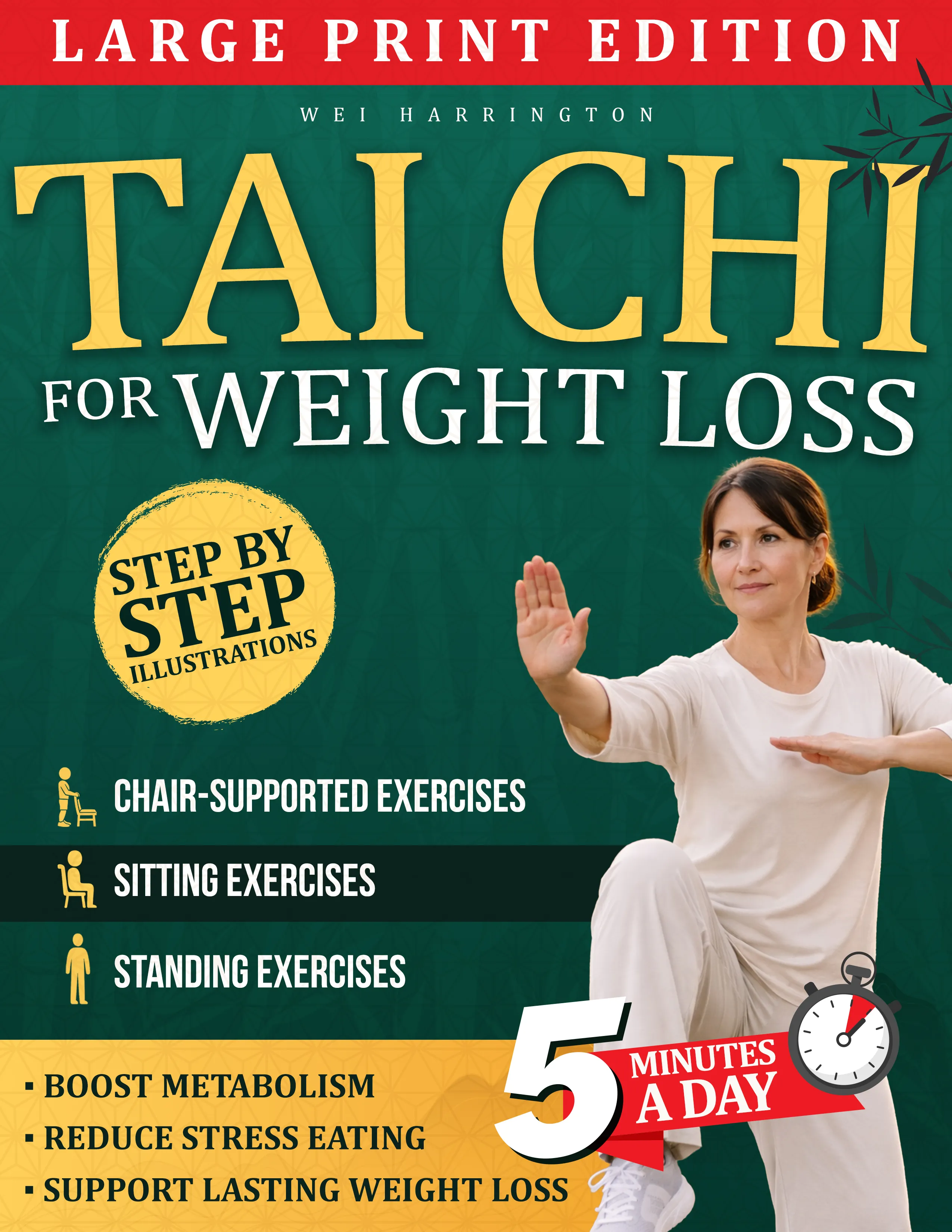
This beginner Tai Chi for Weight Loss book reframes weight management as a calm, sustainable mind-body
journey. It connects low-impact movement, breath, nervous-system calm, body awareness, reflective prompts,
and flexible practice options into a 28-day progression.
Consistency-first movement: short Tai Chi sessions designed to be repeated, not endured.
Stress eating support: breath-led resets and reflection to support calmer choices.
Low-impact options: standing, wall-supported, chair-supported, and seated practice.
Non-scale progress: notice steadier energy, calmer pacing, and more comfortable movement.
Movement previews: includes forms such as Commencing Form, Holding the Ball, and Wave Hands Like Clouds.
Available on Amazon: the book page includes the full roadmap and purchase details.
How the 28-day approach works
The book builds a calm mind-body rhythm over four weeks. Each stage starts small, keeps movement comfortable,
and uses breath, reflection, and repeatable practice to support sustainable momentum.
Week 1
Safety and Calm
Become familiar with the practice and create a sense of safety.
Week 2
Comfort and Confidence
Let movement feel less strange as calm and confidence grow.
Week 3
Steadiness and Habits
Make the practice more familiar and easier to repeat.
Week 4
Flow and Consistency
Build a routine that feels sustainable enough to continue.
What to expect
This is not a “push harder” program. It’s a calm structure for adults who want sustainable movement, better
body awareness, and healthier momentum. You’ll build a habit with simple sessions you can repeat—even when life
is busy, stressful, or low-energy.
Move
Gentle, low-impact practice that supports comfort, mobility, and repeatable daily movement.
Reset
Breath-led pacing that may help calm stress, reduce burnout patterns, and interrupt autopilot.
Repeat
A practical rhythm with flexible five-minute options and non-scale progress markers.
Who this is for (and who it may not fit)
Great fit if you…
want weight support through calm, consistent, low-impact movement
prefer low-impact routines that are easier on joints
feel stuck in “start hard → burn out → restart” cycles
want help with stress-driven or emotional eating patterns
want a sustainable habit that fits busy or low-energy days
like simple structure without guilt, shame, or intensity spikes
May not fit if you…
are looking for a rapid, high-intensity weight-loss challenge
want advanced Tai Chi choreography right away
prefer long workouts over short daily practice
need a strict meal plan or “macro-counting” style program
If you still like the calm style, this can work well as a recovery-friendly routine or a consistency reset.
Safety and easy modifications
Tai Chi for weight loss should still feel kind, steady, and sustainable. Keep the range comfortable, use
support when helpful, and let the shortest version count on lower-energy days.
Support the body
Use support: practice near a wall, countertop, or chair when balance feels uncertain.
Stay seated: seated practice still supports posture, breath, coordination, and calm focus.
Keep it sustainable
Reduce range: smaller steps and smaller arm arcs can keep movement joint-friendly.
Let five minutes count: consistency matters more than forcing a long session.
Safety note: This is educational and not medical advice. If you have health concerns, consult a qualified
professional and stop if you feel pain.
Try 3 gentle practices (beginner-friendly)
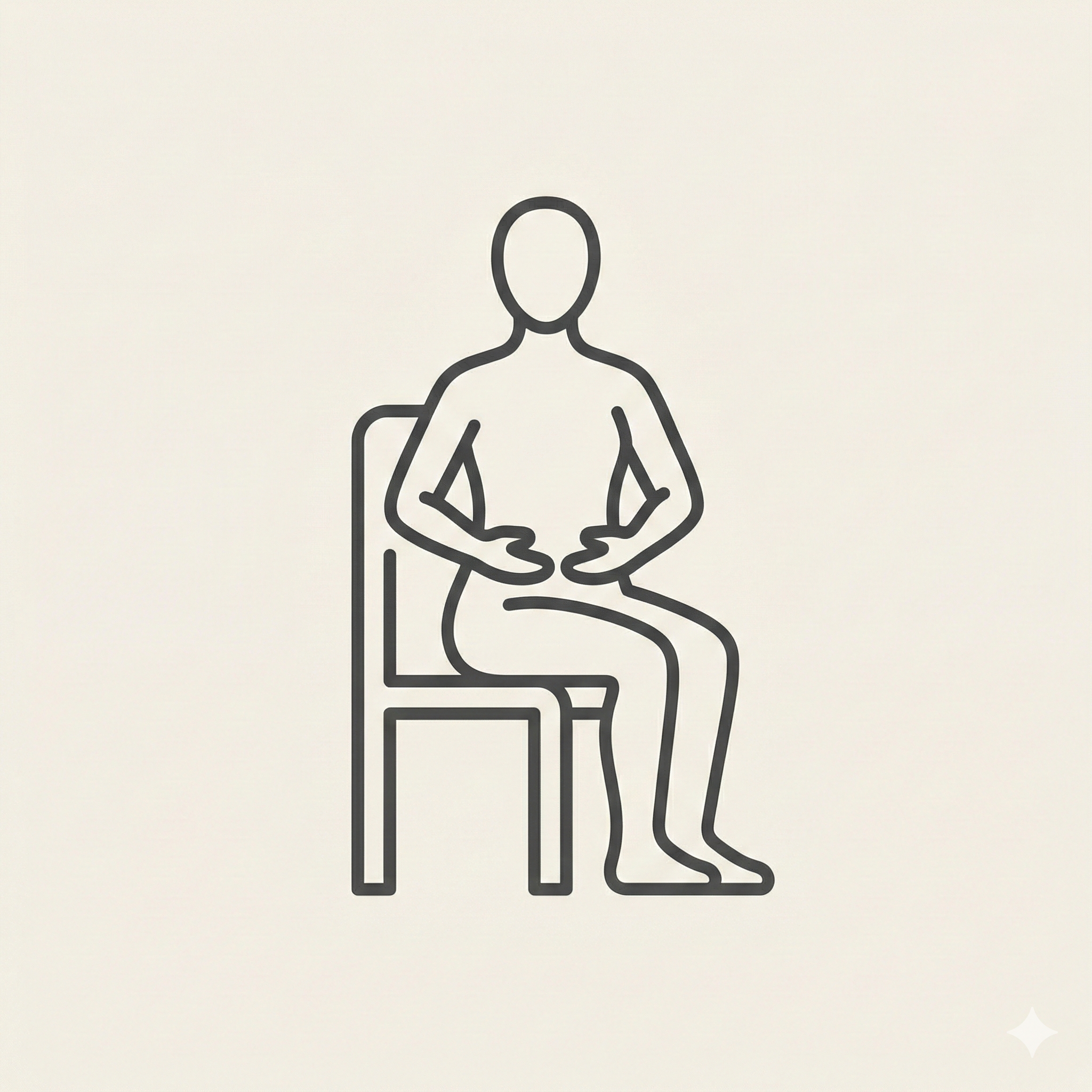
Commencing Form (Seated)
Best for: Starting with calm focus and easy breath-led
movement.
Steps:
Sit upright with feet grounded and hands resting on thighs.
Lengthen the spine gently without stiffening your shoulders.
Inhale and float hands forward to chest height.
Exhale and return hands to thighs with control.
Keep jaw, neck, and shoulders relaxed.
Safety cue: Stay within a pain-free range and keep breathing
smooth.
Time suggestion: 1-3 minutes
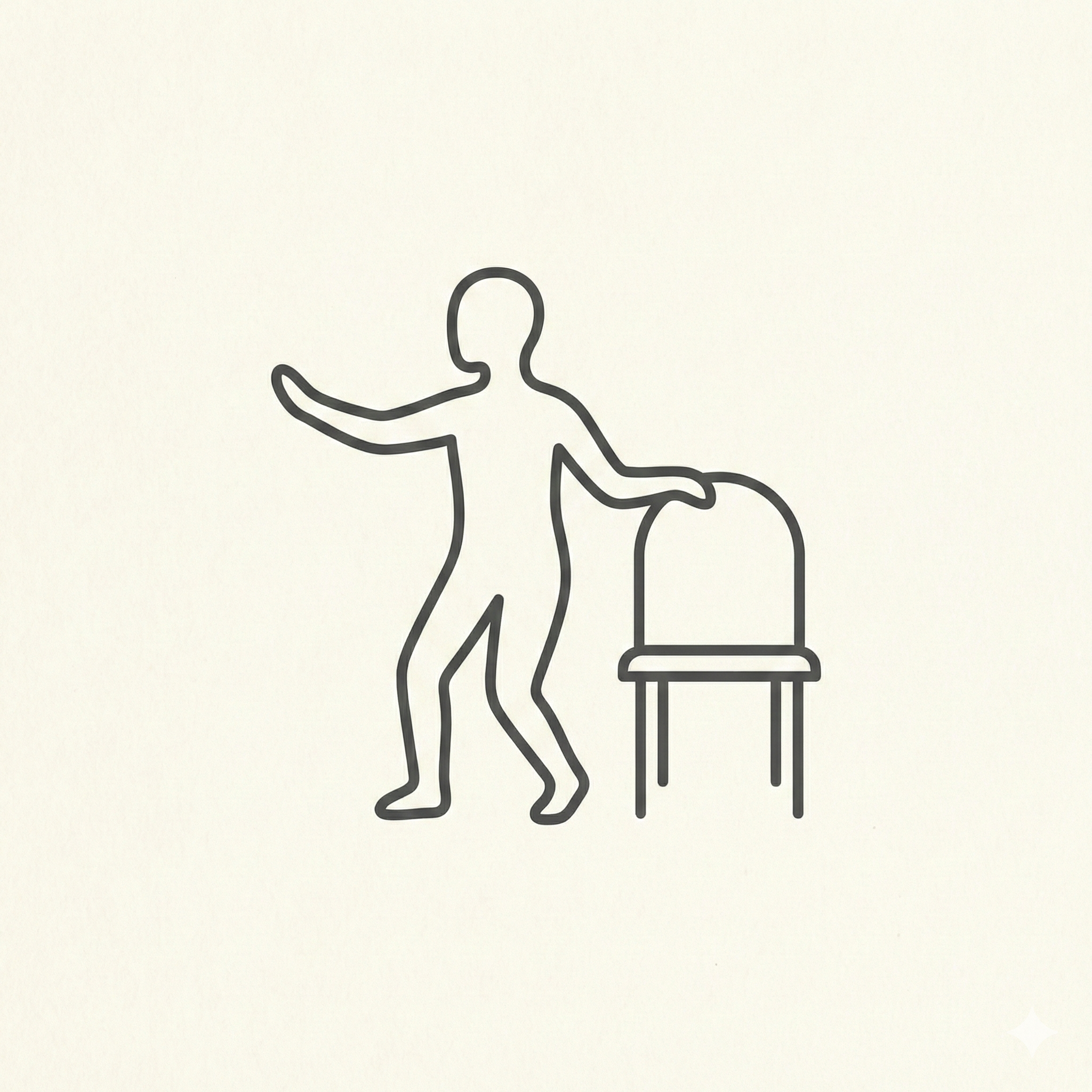
Parting the Wild Horse’s Mane (Chair-Supported)
Best for: Building steady lower-body engagement with gentle
upper-body flow.
Steps:
Stand near a chair with one hand lightly touching for support.
Step one foot forward in a short, stable stance.
Circle your free hand up and forward, palm soft.
Let the other arm settle near your hip as you shift weight.
Return to center with control and switch sides.
Repeat at a steady, comfortable pace.
Safety cue: Keep stance short and stable. Use the chair
continuously if needed.
Time suggestion: 2-4 minutes
Wave Hands Like Clouds (Standing)
Best for: Encouraging consistent full-body movement with low
strain.
Steps:
Stand with feet shoulder-width or a little wider.
Lift one hand to chest level and keep the other lower.
Shift gently side to side while hands glide across center.
Switch hand levels as your weight transfers.
Keep movement slow, smooth, and continuous.
Maintain easy breathing through each pass.
Safety cue: Keep knees soft and steps small. Reduce speed if
balance feels off.
Time suggestion: 2-4 minutes
Benefits
Small changes that compound with consistent practice.
Gentle daily movement
A low-impact way to move more consistently, even when energy is limited.
Smoother coordination
Practice flow that improves control and ease.
Stress support
Calm movement that may help you pause, breathe, and reset your pace.
Better body awareness
Notice habits in posture, tension, and breath.
Momentum without burnout
Build consistency without intense workouts, punishment, or pressure.
Whole-body routine
Legs, hips, core, and arms work together.
Frequently asked questions
Can Tai Chi really help with weight loss?
Tai Chi supports weight goals by helping you move consistently and reduce stress-related friction. It’s a
sustainable routine for adults who don’t do well with extreme plans.
How often should I practice?
Aim for a frequency you can repeat. Even short daily sessions can build momentum. Start small, then
expand only if it still feels calm and sustainable.
Is it okay if I can only do 5–10 minutes?
Yes. Consistency beats duration. A short session you actually repeat is more powerful than a long session
you avoid.
Does seated practice still count?
Yes. Seated Tai Chi still supports posture, breath, coordination, and calm focus—especially on
low-energy or joint-sensitive days.
Will this feel like a workout?
It will feel like gentle movement and breath-led control. You may feel warmer and looser, but it’s not
designed to “push” you. It’s designed to be repeatable.
What if I miss days?
Just restart gently. The goal is a long-term rhythm, not a perfect streak. Return to the shortest
version of the routine and rebuild consistency.
Safety note: This content is educational and not medical advice. If you have health concerns, consult a
qualified professional and stop if you feel pain.
Related Guides
Continue with beginner-friendly articles focused on calm momentum and joint-safe movement.
Wei Harrington brings decades of personal Tai Chi practice into beginner-friendly, joint-safe routines designed
for calm progress. No extremes, no pressure, just clear real-life guidance you can keep.