Free Bonus Kit Access
Get the Free Seniors Bonus Kit
Your free Bonus Kit includes a comprehensive printable guide to help you practice safely, feel steadier, and build confidence as you use the book.
No spam. Helpful updates only.

A gentle, beginner-friendly path to balance confidence, mobility, and independence—at your pace.
If you’ve been moving more carefully lately, worrying about balance, or wondering whether exercise still fits your body, this is a calm place to begin. Tai Chi meets you where you are: seated, chair-supported, wall-supported, or standing, with no jumping, no floor work, and no pressure to keep up. The Amazon book has the complete 28-day progression and week-by-week structure.
You’re in the right place — your book bonus is here.
Free Bonus Kit Access
Your free Bonus Kit includes a comprehensive printable guide to help you practice safely, feel steadier, and build confidence as you use the book.
No spam. Helpful updates only.
Gentle 28-day approach
This beginner-friendly large print Tai Chi book is built for older adults who want to stay active and independent without intense workouts. It introduces posture, breath, alignment, gentle weight shifting, balance confidence, flexibility, functional strength, and everyday movement in a 28-day progression.
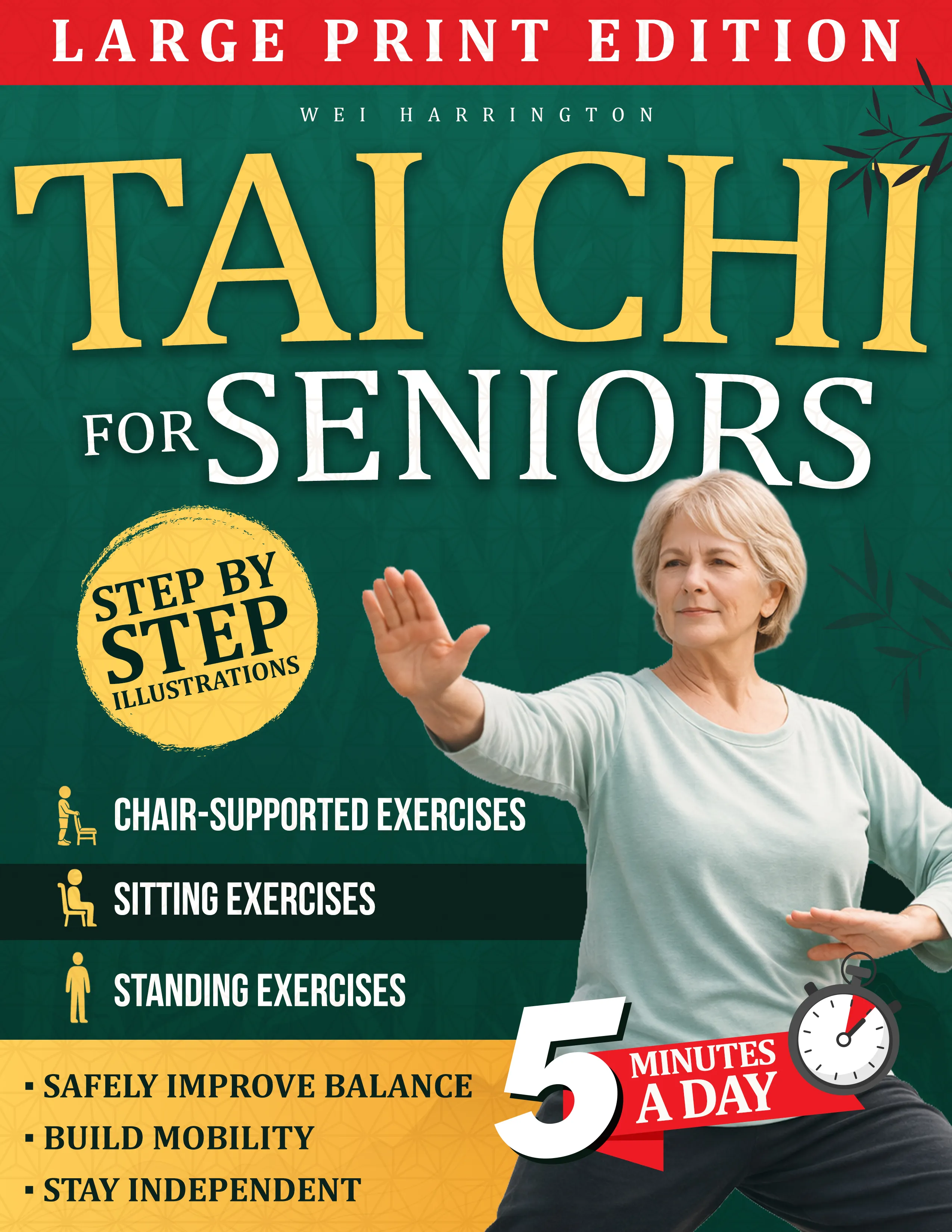
The book builds slowly from foundation to daily-life confidence. Each stage adds one layer: posture and breath, safer weight awareness, comfortable mobility, and slow functional strength you can carry into ordinary movement.
Week 1
Posture, breath, alignment, and gentle weight shifting.
Week 2
Rooting, weight awareness, and steadier transitions.
Week 3
Shoulders, spine, hips, and comfortable range of motion.
Week 4+
Functional strength, turning, stepping, and calm reorientation.
This approach is calm, beginner-friendly, and built around dignity, steadiness, and daily usefulness. You’ll practice slow, joint-safe movements that support balance confidence, posture, mobility, and everyday movement like turning, walking, and rising from a chair.
Short 5-15 minute sequences help you begin gently, even on low-energy days.
Standing, wall-supported, chair-supported, and seated options keep the practice approachable.
Balance confidence and calm control support real-life movements like turning, walking, and rising.
If that’s you, you might still enjoy this as a recovery or balance-focused practice.
Tai Chi should feel steady and comfortable. Move within a pain-free range, go slower than you think you need, and use support whenever helpful.
Safety note: This is educational and not medical advice. If you have health concerns, consult a qualified professional and stop if you feel pain.
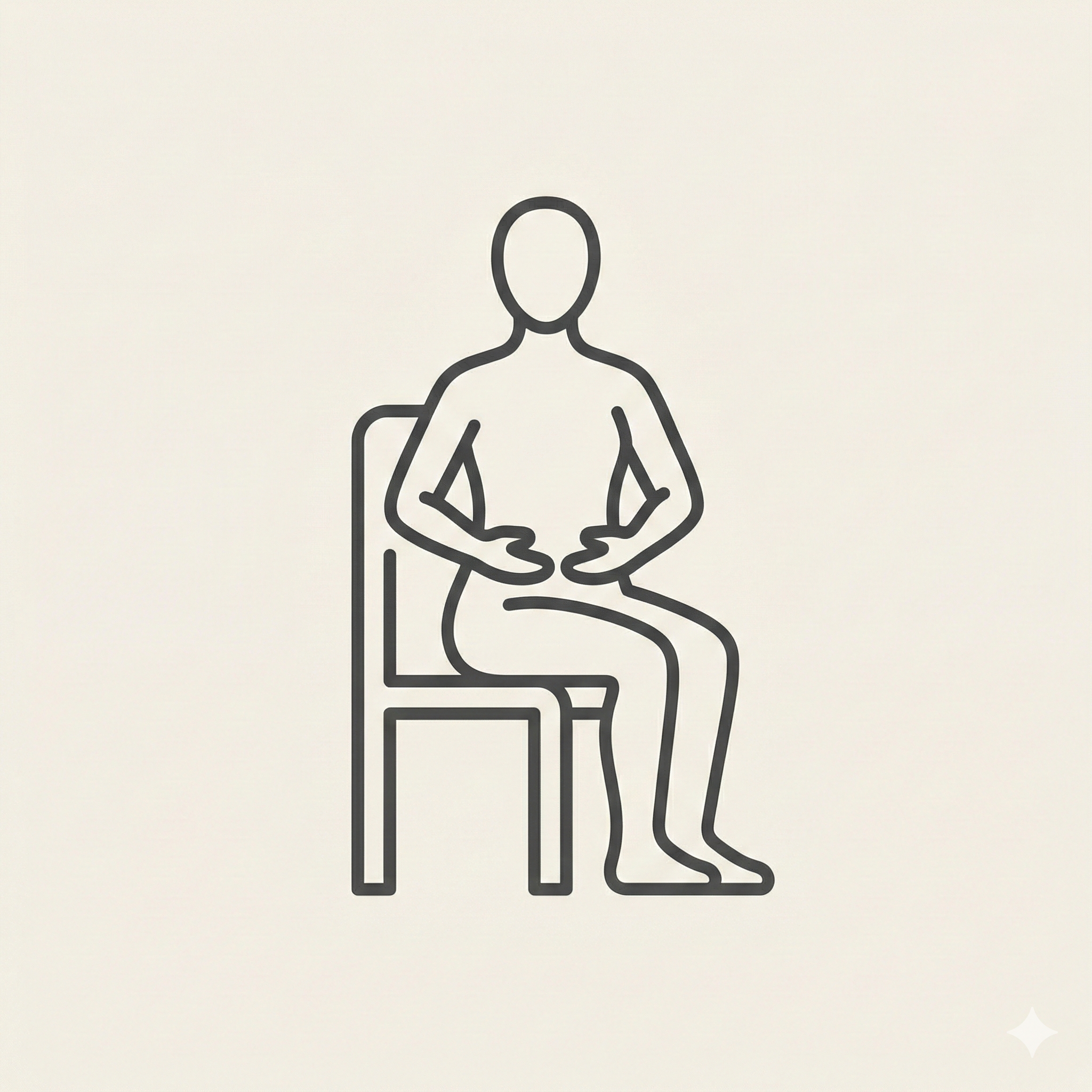
Best for: Settling your breath and posture at the start of practice.
Safety cue: Keep movement small and smooth. Pause if your breath feels strained.
Time suggestion: 1-3 minutes
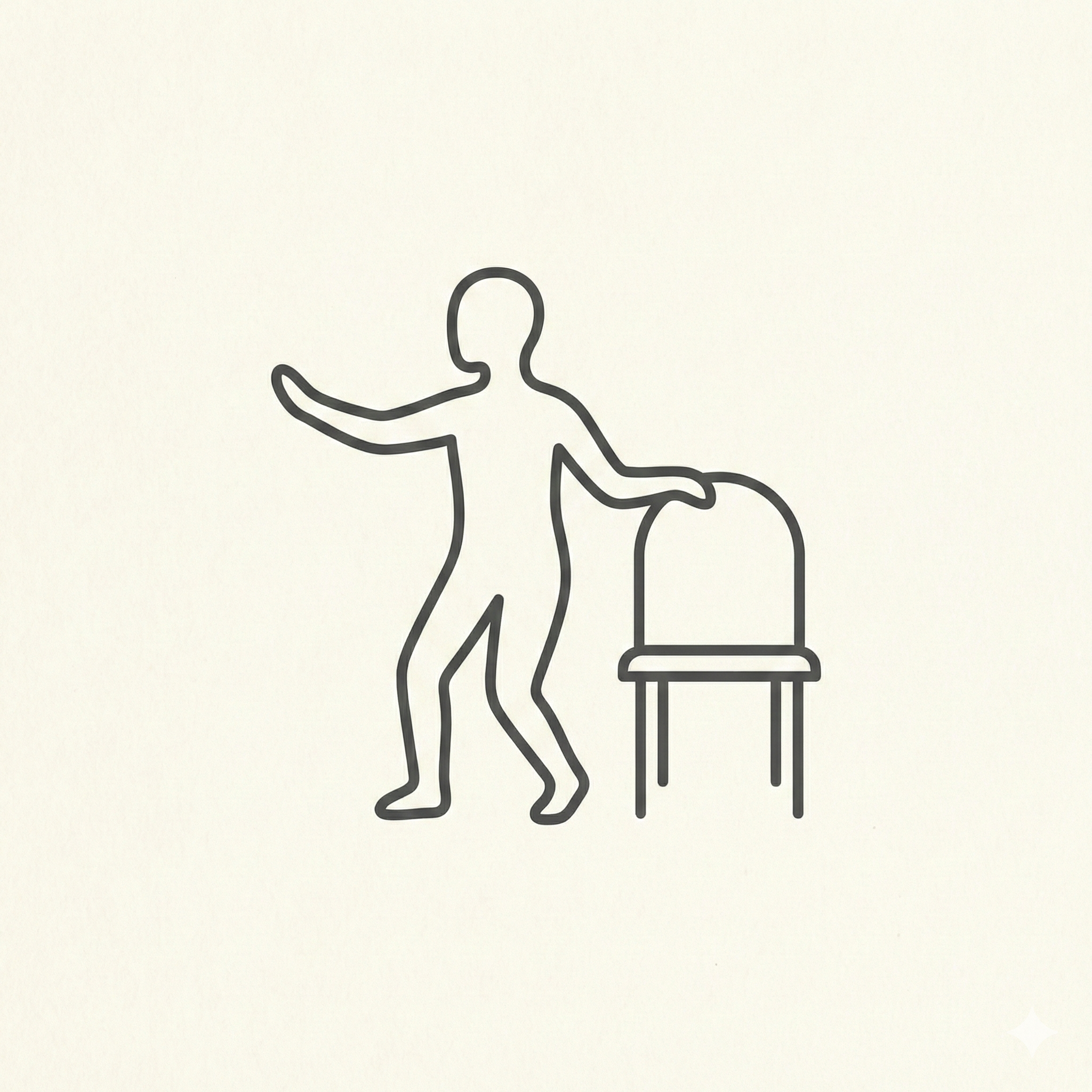
Best for: Coordinating gentle weight shift with upper-body flow.
Safety cue: Keep your support hand in contact with the chair. Shorten the stance if balance feels uncertain.
Time suggestion: 2-3 minutes
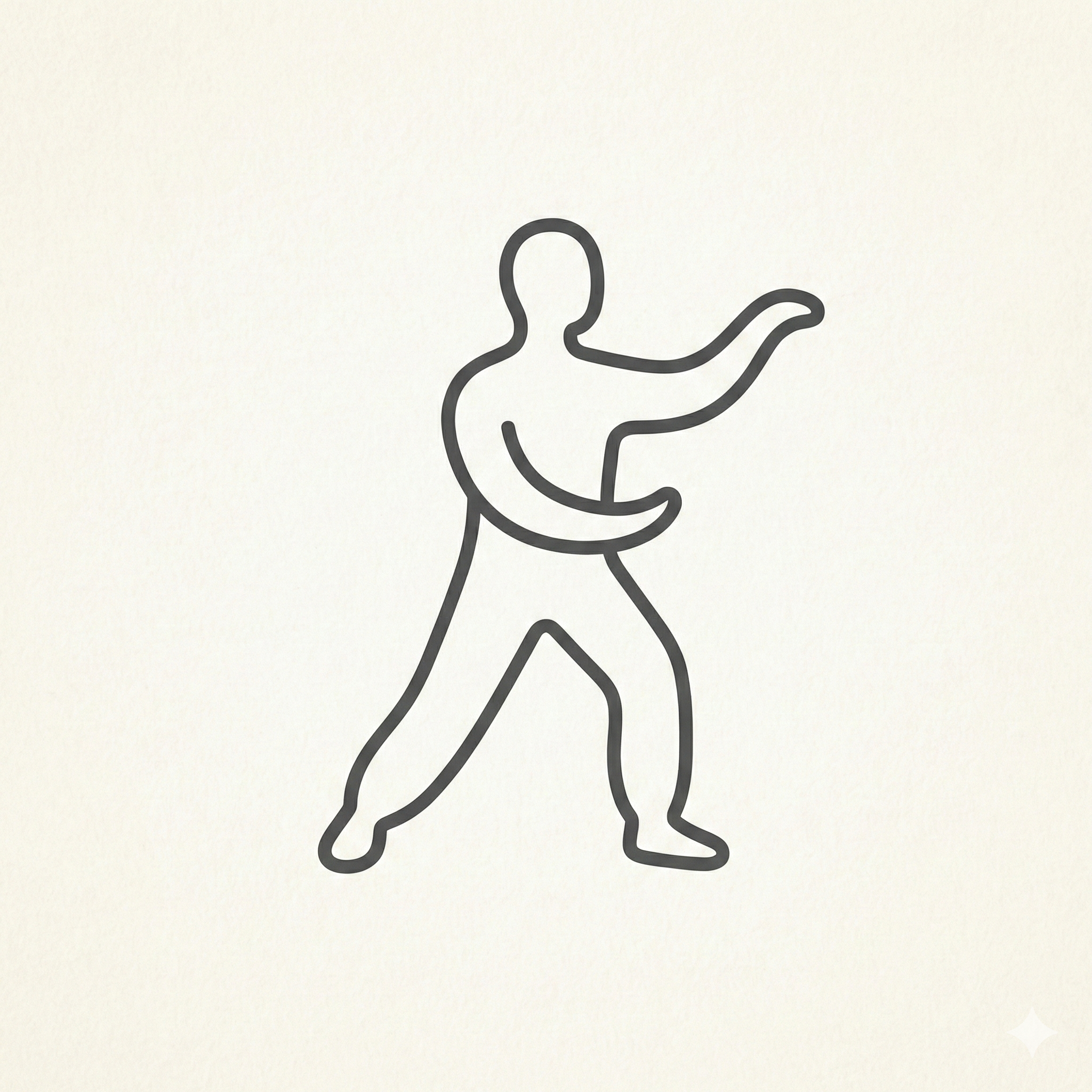
Best for: Improving smooth side-to-side movement and relaxed coordination.
Safety cue: Avoid locking knees. Reduce your side step if you feel wobbly.
Time suggestion: 2-4 minutes
Small changes that compound with consistent practice.
Practice rooting, weight awareness, and slower transitions for more balance confidence.
Use slow, controlled movement to support functional strength without impact or strain.
Practice alignment that can carry into standing, walking, turning, and sitting tall.
Build trust in your body with seated, supported, and standing options.
Pair gentle motion with steady, relaxing breath.
Short sessions that are easier to return to.
Tai Chi is often chosen because it’s slow and joint-friendly, but everyone’s body is different. Keep movements small, stay in a pain-free range, and use chair support as needed. If you have concerns, check with a qualified professional.
Yes. Seated practice can still improve posture, coordination, breathing, and calm focus. It’s a strong option if standing feels unsteady or tiring.
Consistency matters most. Even short daily sessions are useful. Start with a pace you can repeat, then gradually add time only if it still feels comfortable.
Many people notice small improvements first—feeling steadier, moving with less tension, or having more confidence rising from a chair. Bigger changes come from weeks of gentle repetition.
Use a chair, countertop, or wall for light support. You can also practice seated until your confidence improves. There’s no rush—steady is the goal.
No special equipment. Wear comfortable clothes and supportive footwear if needed. A stable chair is helpful for chair-supported options.
Explore practical, joint-safe reading to support your next step.
A beginner-friendly guide to chair Tai Chi for seniors, including how to use a chair for support, balance confidence, and gentle daily movement.
Beginner-friendly timing guidance for seniors who want a calm, sustainable Tai Chi routine each day without overdoing it.
Learn how seated Tai Chi for seniors can support calm movement, posture, breath, and confidence when standing practice feels too demanding.
A calm Tai Chi for seniors beginner routine with seated, chair-supported, and standing options for balance, mobility, and confidence.
Practical modifications for beginners who want Tai Chi to feel safe, calm, and doable.
More in the full library: View all Tai Chi Guides.
Wei Harrington brings decades of personal Tai Chi practice into beginner-friendly, joint-safe routines designed for calm progress. No extremes, no pressure, just clear real-life guidance you can keep.